Swedish Traditional Pork Dishes
Julskinka, fläsklägg med rotmos, raggmunk and fläskpannkaka: the pork dishes at the heart of Swedish home cooking.
Pork has played an important role in Swedish cuisine for centuries, especially in rural communities where preserving meat for long winters was essential. From festive Christmas tables to everyday comfort meals, traditional Swedish pork dishes reflect resourcefulness, seasonal cooking, and a balance of hearty flavors. Many of these dishes remain staples today, linking modern kitchens to generations of culinary tradition.
The Cultural Importance of Pork in Sweden
Historically, pigs were a practical livestock choice for Swedish farms because they could be raised efficiently on modest resources and preserved through smoking, salting, and curing. With long winters and limited access to fresh produce, pork offered a reliable source of protein and fat.
Even today, pork remains central to major celebrations like julbord (the Christmas buffet), midsummer feasts, and Sunday family dinners.
Julskinka: The Centerpiece of the Christmas Table
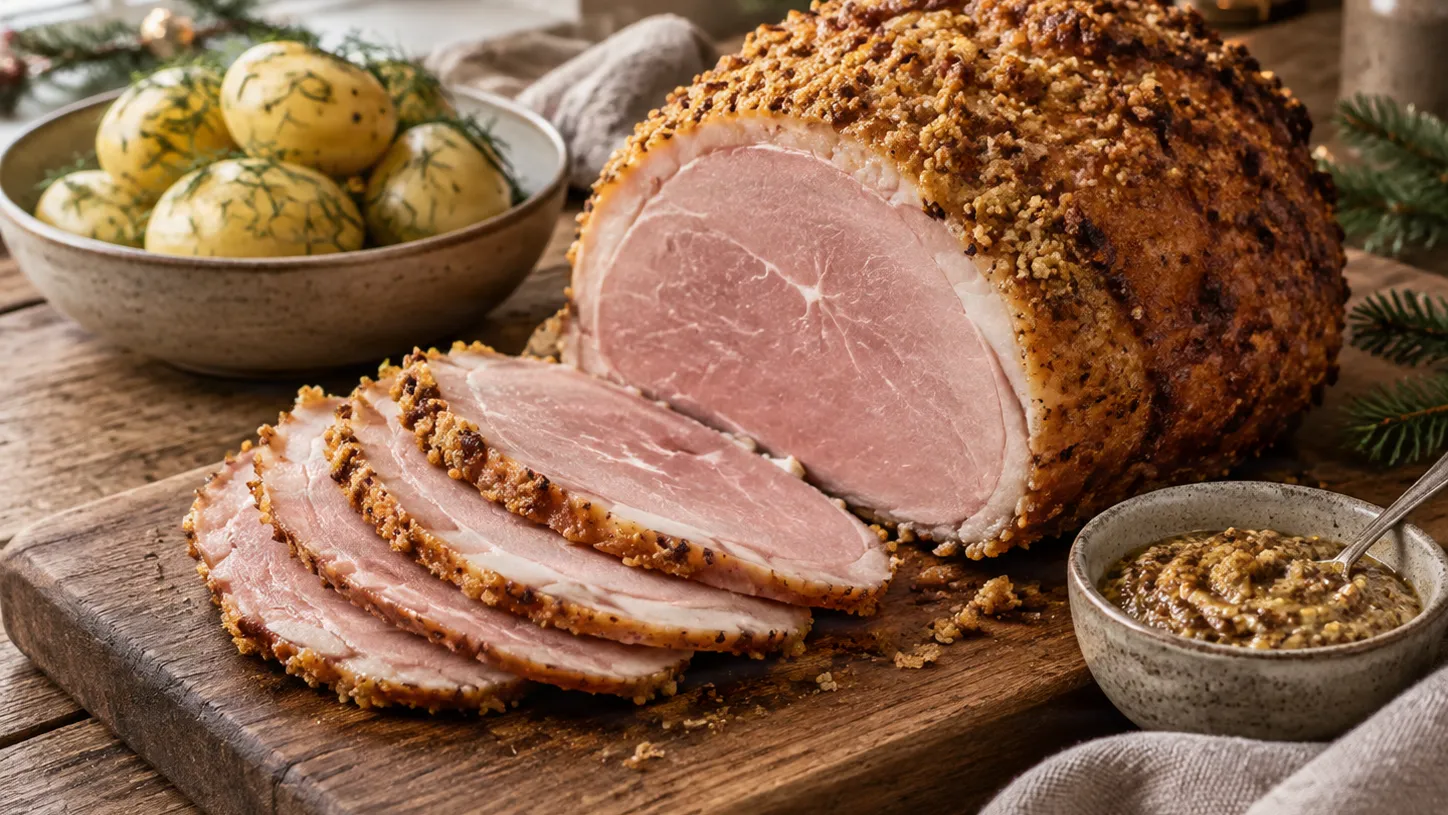
One of the most iconic Swedish pork dishes is julskinka, a Christmas ham served at the julbord. The ham is boiled or baked until tender, then coated with a mustard-based glaze and baked again until golden.
Common features include:
- Served chilled or slightly warm in thin slices
- Glazed with mustard, breadcrumbs, and egg
- Often paired with pickled vegetables and creamy potato dishes
Julskinka is traditionally enjoyed throughout December, not only on Christmas Eve.
Fläsklägg med Rotmos: Pork Shank with Root Mash
A classic comfort dish, fläsklägg med rotmos pairs salted pork shank with a hearty mash made from potatoes, carrots, and rutabaga.
Key elements:
- Pork shank is simmered slowly until tender
- Rotmos is mashed to a smooth or rustic texture
- Served warm, around 60 to 70°C, making it ideal for cold weather
This dish embodies traditional Swedish home cooking, simple but deeply satisfying.
Raggmunk med Fläsk: Potato Pancakes with Crispy Pork
Raggmunk is a Swedish potato pancake fried until crispy and served with strips of fried pork and lingonberry jam. The combination of salty pork, crisp potato, and tart berries creates a distinct balance of flavors.
Typical serving style:
- Pancakes fried in butter
- Pork belly or salted pork slices pan-fried until crisp
- Served hot with lingonberries on the side
This dish is especially popular in Småland but enjoyed nationwide.
Fläskpannkaka: Oven-Baked Pork Pancake
A beloved weeknight meal, fläskpannkaka combines batter and diced pork baked in the oven. It is thicker than raggmunk and has a soft, fluffy texture.
It is traditionally served with lingonberries and sometimes a simple salad, making it a practical meal that uses minimal ingredients.
Brined and Smoked Pork Traditions
Preservation techniques have shaped many historical pork dishes. Smoking, curing, and brining allowed Swedes to store meat through winter and created flavors still enjoyed today.
Traditional preparations include:
- Rimmat fläsk (salt-cured pork) used in stews and soups
- Rökt sidfläsk (smoked pork belly) served thinly sliced or fried
- Tjälknöl variations adapted using pork cuts instead of beef
These methods reflect Sweden’s resourceful culinary heritage.
Servings and Seasonal Pairings
Swedish pork dishes are often paired with ingredients that balance richness:
- Lingonberry preserves
- Pickled cucumber or beetroot
- Mustard, especially coarse-grain varieties
- Root vegetables like rutabaga, carrots, and potatoes
Meals often focus on warmth and nourishment, especially during winter.
Final Thoughts
Traditional Swedish pork dishes offer a glimpse into the country’s culinary past, shaped by necessity, celebration, and regional flavors. From festive julskinka to rustic raggmunk med fläsk, these dishes continue to bring comfort and tradition to Swedish tables.